
In animal health, many still think of ‘prevention’ in the traditional sense – vaccines, parasite control, annual check-ups. But what if the next frontier isn’t simply preventing disease but anticipating it? What if subtle shifts in behaviour, physiology or environment could indicate that an animal is diverging from wellness, long before any clinical signs appear? That’s the promise of predictive wellness, and it is fast becoming a game-changer in both companion and production animal settings.
Preventive medicine typically aims to keep disease from happening. But predictive wellness goes one step further: it’s about continuous monitoring and risk detection – leveraging behavioural, physiological, environmental and even genomic data to identify deviations, trigger early intervention and shift the model from reactive to proactive.
Technologies such as wearables, IoT sensors, and machine-learning analytics are enabling this shift. For example, recent research has shown an IoT-based model combining multi-source sensor data and machine learning to detect health deviations in livestock with high accuracy.
As a digital communications specialist, IGNIFI brings this vision into reality. In our previous collaboration with Zoetis, we led the launch communications for PetDialog – a platform and app enabling veterinary practices and pet owners to monitor and manage pet health together. By integrating non-invasive tracking and centralised digital records, PetDialog creates a seamless communications channel between vets and owners.
For animal health pharma companies willing to adopt a digital-first veterinary solution with validated tools, this positions them at the leading edge of a broader shift toward remote, data-driven pet health monitoring. It’s a strategic move that ensures readiness to meet increasing demand for convenient, insight-driven care.
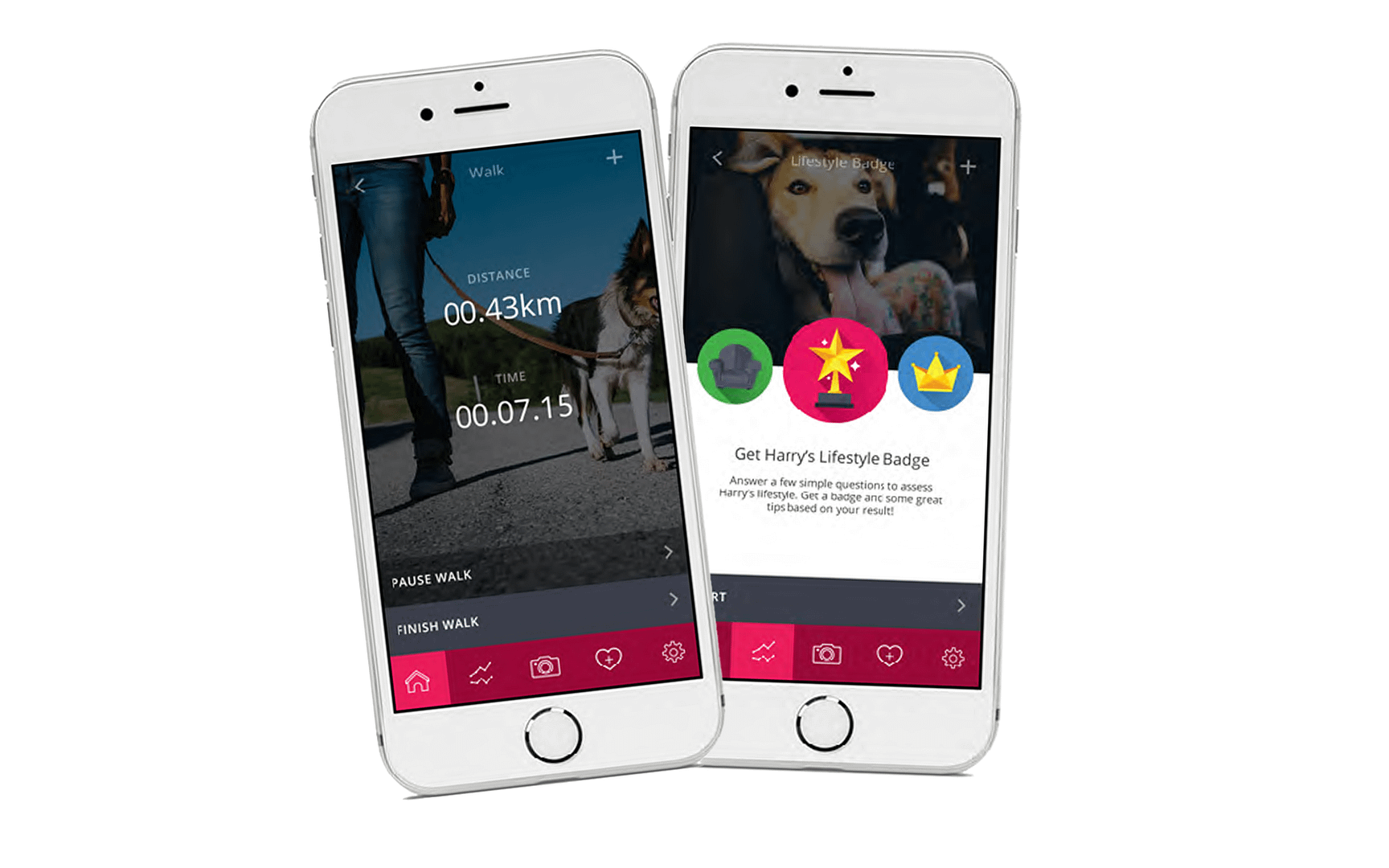
Animals live complex lives and changes often occur gradually. Continuous monitoring helps surface early signals. Early intervention means diseases are often less severe, recovery is faster, welfare improves and costs are reduced.
In production systems, improved wellness drives productivity, supports sustainability, and promotes antimicrobial stewardship. For companion animals, owners no longer expect merely reactive care, they increasingly want wellness, longevity and quality of life.
Let’s unpack some of the tools and how they’re already being used:
Devices for pets and livestock are increasingly common. Collars, implants or ear tags can measure movement, temperature, heart rate, rumination, feeding or rest. For example, a study into wearable tech for livestock described real-time temperature sensing and behaviour classification, achieving over 97% accuracy in detecting anomalies.
Especially in production settings, ambient sensors measuring barn temperature, humidity, ammonia levels, lighting and space utilisation can feed into wellness models. Combined with animal data, they help contextualise risk and alert when conditions stray from normal.
Raw data alone aren’t enough. Machine-learning models, predictive algorithms and analytics dashboards turn data into insight. For instance, one review highlighted how sensor and AI solutions are reshaping livestock welfare by providing objective, real-time assessments rather than episodic checks.
A dairy herd where rumination and feeding behaviour change 24-48 hours before clinical mastitis – enabling early treatment.
A companion dog whose activity and sleep pattern subtly changed over weeks; a smart collar flagged this and led to earlier diagnosis of cardiac issues.
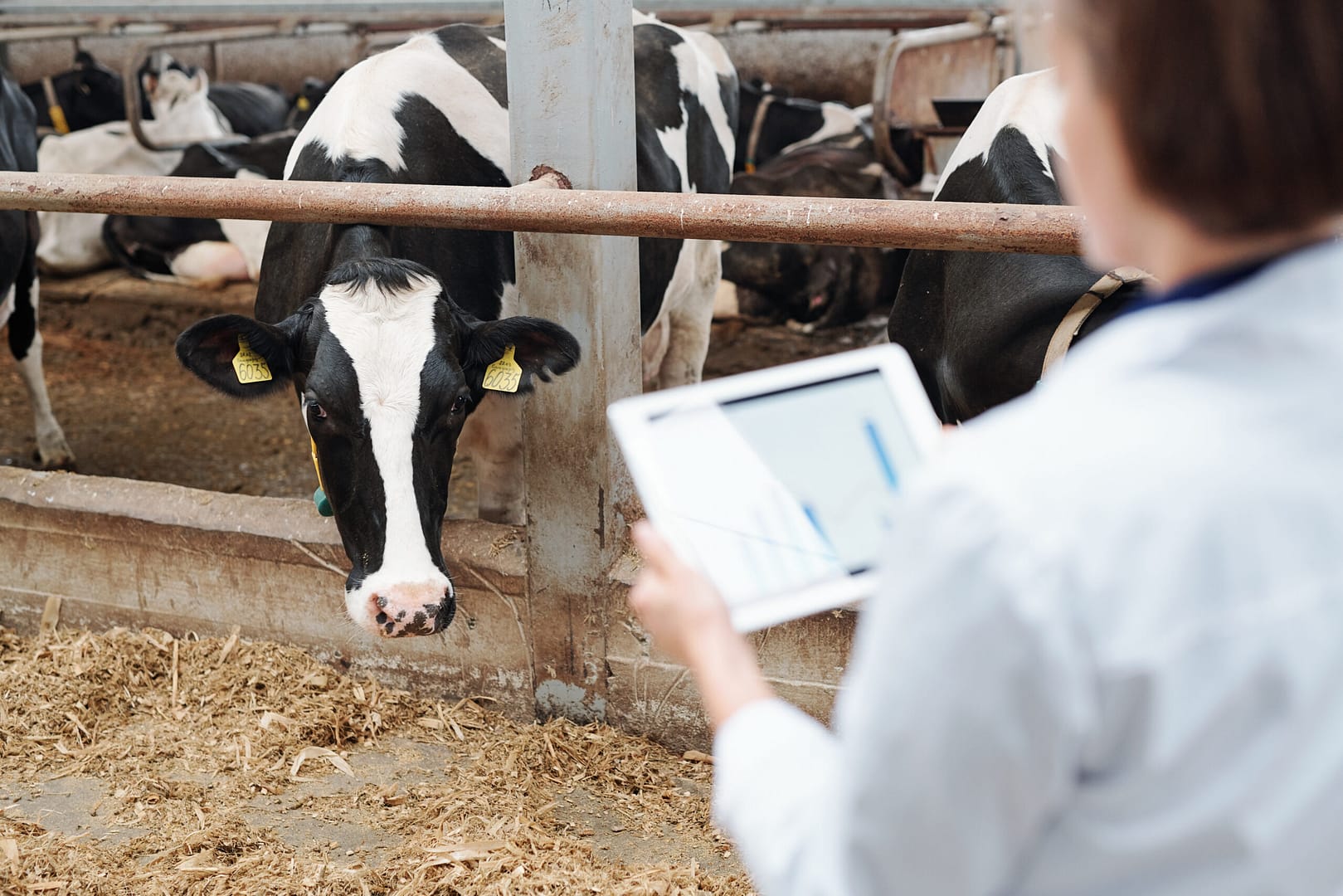
This creates a strong opportunity to evolve your brand narrative and content strategy in animal health.
Messaging is shifting from “Here’s your vaccine schedule” to “Here’s how we can monitor your animal’s wellness continuously and flag change early” , using more insight-led language such as what an animal’s behaviour shows today and what it may signal tomorrow.
The volume of educational content is growing to demystify the technology, such as ‘What is a smart collar?’, ‘What can monitoring your herd’s rumination tell you?’, ‘When should you intervene early vs wait for signs?’. The most effective content is anchored in practical advice for vets, owners and farmers.
There is also a rise in real-world storytelling, from farm owners seeing measurable health gains through sensor monitoring to vet clinics improving outcomes for older dogs using wearables. Evidence-led messaging is becoming more prominent, supported by quotes, before-and-after data and visuals of devices in use.
Clinical and scientific insight remains essential. It’s important to summarise recent research, highlight metrics that matter (e.g., movement deviations, feeding rate changes, temperature spikes) and connect this to decision-making. Communications are best using references to the studies above (e.g., IoT model, AI in livestock), helping to engage the scientifically minded audience.
Finally, framing technology adoption as a partnership is critical. Communications should show how vets, tech providers and animal owners can work together, emphasising collaboration, integrated wellness ecosystems and One Health links, where better animal welfare supports productivity, companion health and human benefit (less zoonotic risk, improved food security).

The shift from preventative to predictive/pre-emptive wellness is gaining momentum. As sensor/AI costs fall and data platforms proliferate, adoption will accelerate in both companion and production sectors. However, challenges remain in ensuring access for smaller practices/farms, building workflows that integrate tech into everyday operations, addressing data ethics and ensuring that technology enhances – not replaces – veterinary/farmer judgement.
For companion pets, it could mean better longevity and quality of life.
For production animals, it could mean better welfare, productivity and sustainability.
For animal health brands, it means a fresh, compelling narrative, one that blends technology, behavioural science, veterinary care and animal welfare.
With IGNIFI’s blend of scientific acumen, creative storytelling and digital-first execution, we can help animal-health brands translate preventive-wellness ambitions into seamless digital workflows. By embedding pre-emptive tech with precision-tailored communications across web, email, events and beyond, IGNIFI can help brands to design personalised, loyalty-driven customer journeys and unlock long-term value through data-enabled engagement.


© IGNIFI 2026
IGNIFI Limited Registered office: 40 George Street, London, W1U 7DW
Company number: 2128733
Registered VAT number: 357 1506 56